What Is Vinyl Plank Flooring? Types, Benefits and Buying Tips
A wood-look floor with practical advantages, and differences worth understanding before you buy.

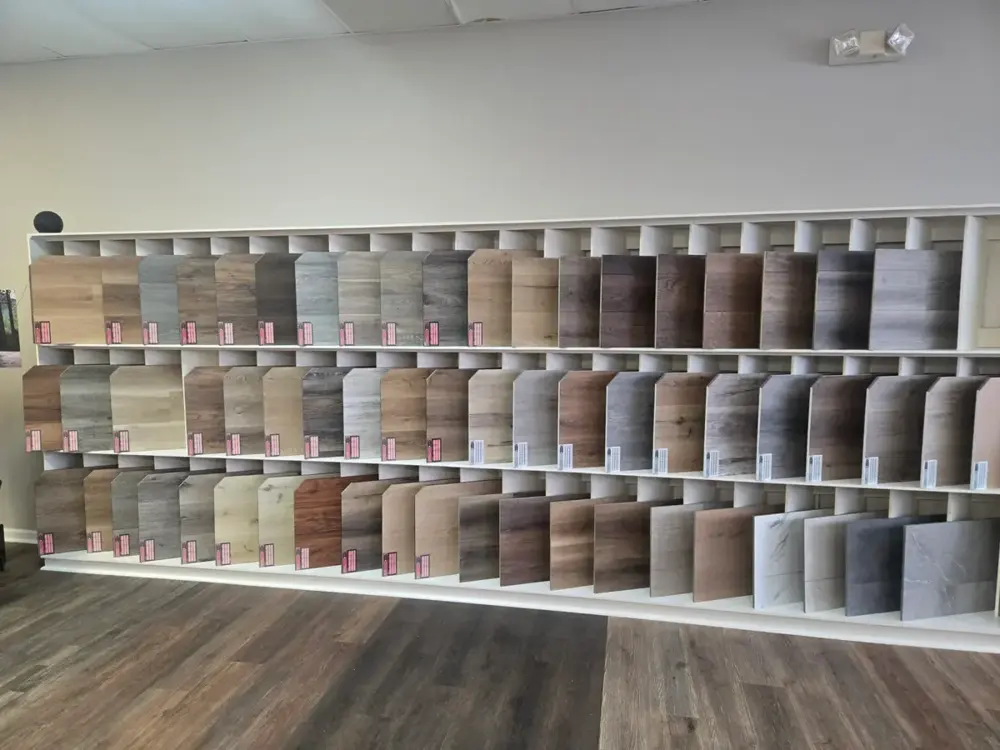
Two vinyl planks can look almost identical on a sample rack and still be very different floors. The surface, core, locking system and installation requirements all matter. Here is what LVP is, how it is made and how to decide whether it fits your home or next flooring job.
Vinyl plank flooring is a manufactured floor made in individual planks, usually with a printed wood design and a protective surface. Luxury vinyl plank, commonly called LVP, comes in flexible and rigid constructions. Some products click together; others are glued down. Its appearance may resemble hardwood, but its construction, care and repair options are different.
The wood grain you see is a decorative image, rather than a solid piece of timber. Under that image is the structure that supports the plank; above it is the protection that takes everyday use.
Layer names and construction vary by product. Use the actual specification sheet to understand what you are comparing.
The clear wear layer protects the decorative design from wear-through. The surface finish also matters when comparing scratch and stain performance. A wear-layer number alone does not tell you how a floor will handle every scratch.
The printed design creates the color and grain. The core gives the plank its body. Some products include an attached pad for underfoot comfort or sound performance; others require a different installation system.
An attached pad does not flatten an uneven subfloor or automatically replace a required moisture barrier. Do not add another pad unless the product instructions allow it.
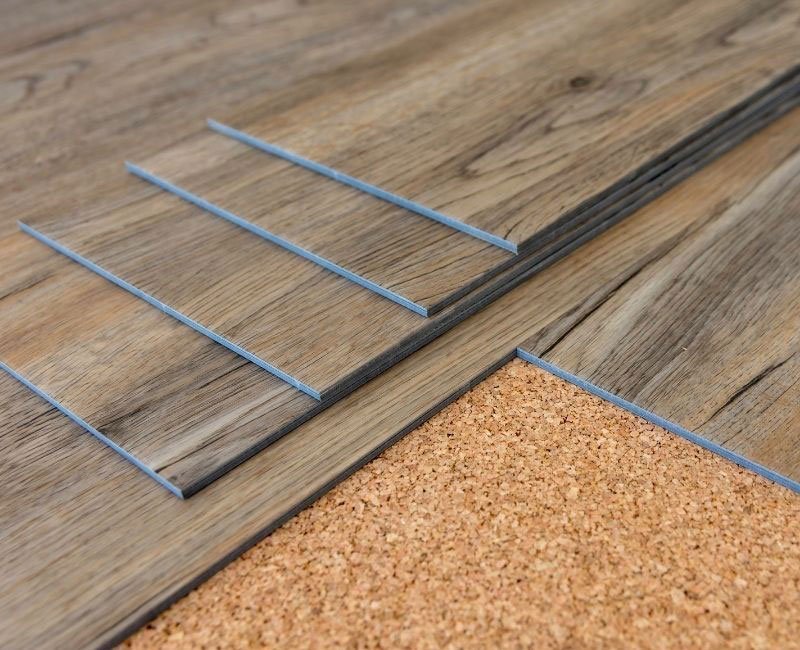
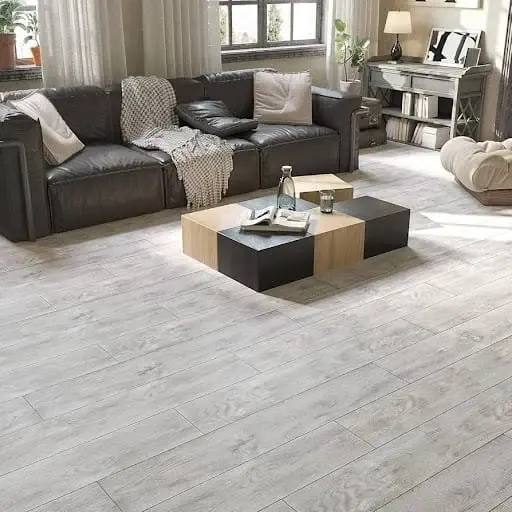
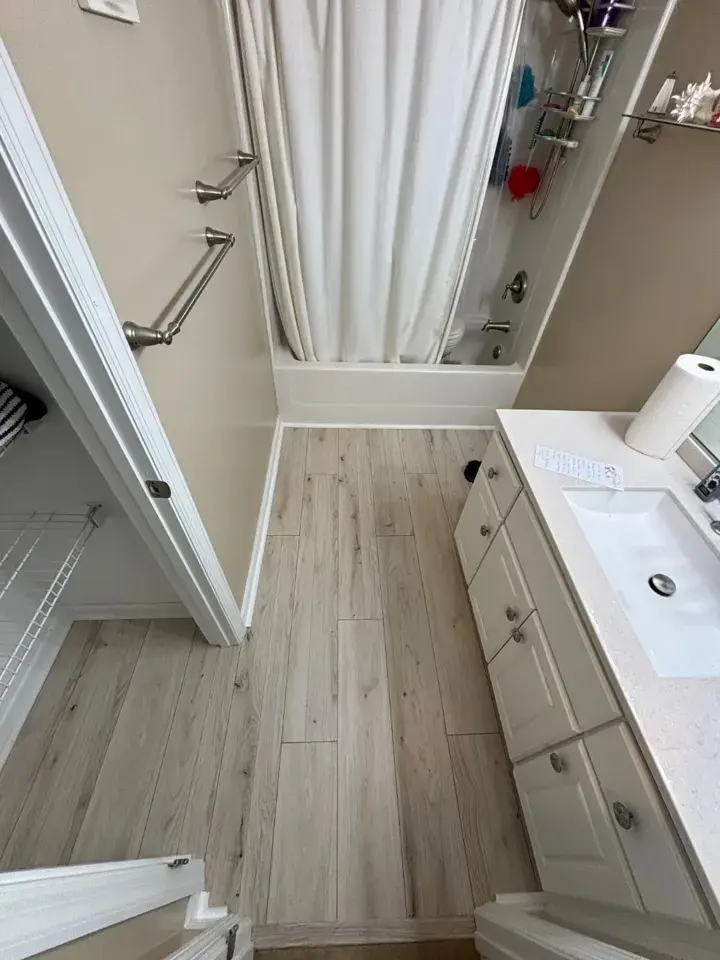

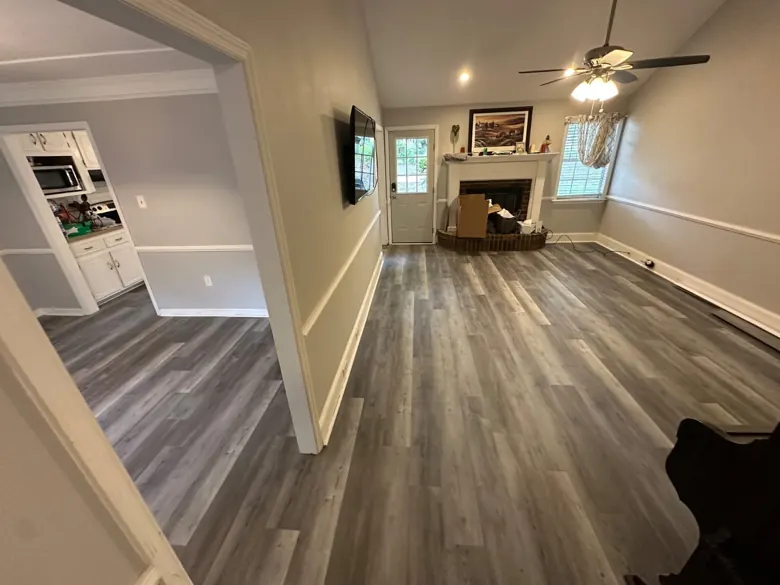

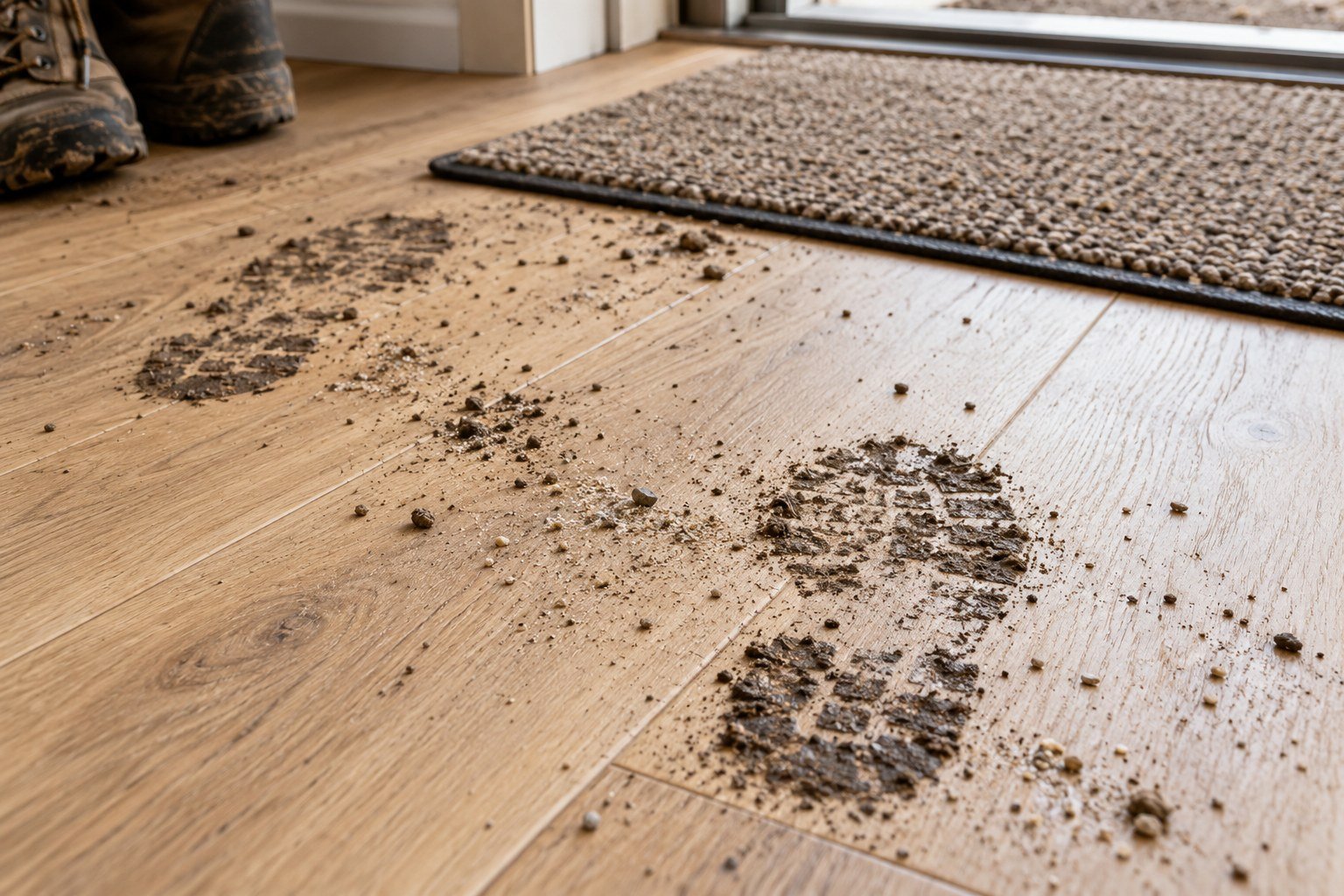
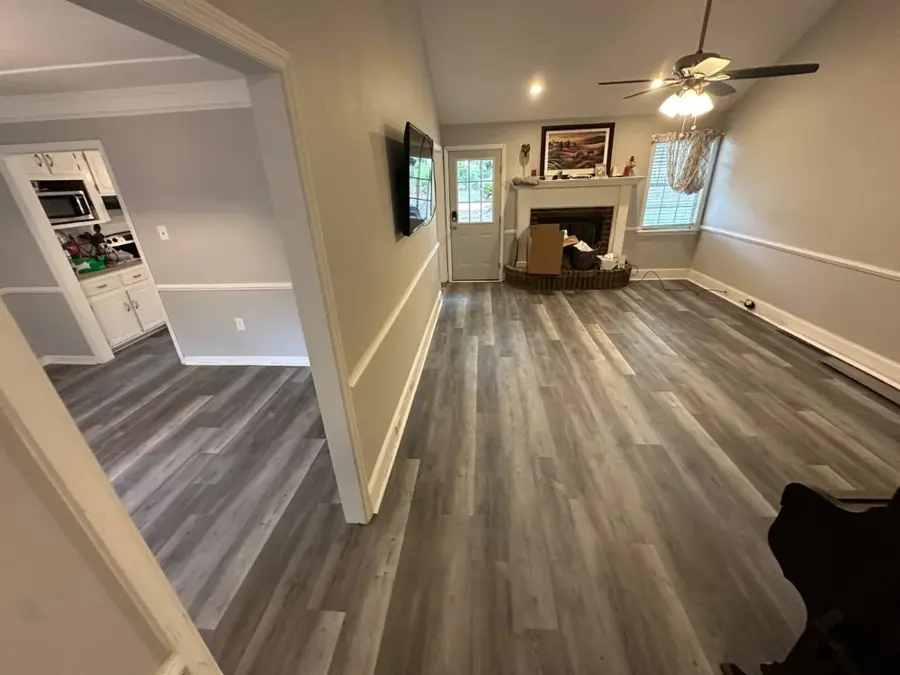
Rigid-core planks have a firm body and often use a locking edge to form a floating floor. In a floating installation, the connected flooring sits over the prepared base rather than being bonded across the entire subfloor.
SPC products generally use a dense, rigid core. WPC products use a foamed core and are often selected for a different underfoot feel. Manufacturers use these labels differently, so compare the actual product description and specifications.
Neither label gives you a universal answer about quality. A well-matched floor needs suitable surface protection, sound joints and installation requirements that fit the property.
Review the subfloor tolerances, approved underlayment, expansion space, room limits and rules around fixed cabinetry. Temperature and acclimation requirements also come from the exact product’s instructions.
You want the living room and hallway to share one oak look. Compare full-size samples, then have the layout and existing floor checked so transitions and preparation are included before the job is scheduled.
Glue-down planks are bonded to the prepared subfloor with the specified adhesive. Many are flexible, rather than using the thicker rigid body associated with a click-lock floor.
This can be an option for projects where a bonded installation is preferred, including some commercial settings. Commercial suitability depends on the specific flooring, adhesive and warranty, not simply the fact that it is glued down.
Subfloor preparation is especially important because imperfections can show through thinner materials. Adhesive selection, moisture testing and installation conditions need to be assessed together.
Compare the complete installed scope. A lower material price can be offset by additional preparation, adhesive and labor. Ask how an individual damaged plank would be replaced and what matching spare material to retain.
You are replacing a kitchen floor and need to manage the height at adjoining rooms. A glue-down option may be worth comparing, but the installer first needs to assess the existing surface and the preparation required.
| Floor | What gives it its look? | What to understand |
|---|---|---|
| Luxury vinyl plank | A printed design over a vinyl-based construction | Compare the surface, core, installation system and approved use. It is not a sand-and-refinish wood floor. |
| Laminate | A decorative layer over a composite core | Water performance and cleaning requirements vary. Do not apply an LVP claim to a laminate product. |
| Hardwood | Real wood, in solid or engineered construction | Moisture management and finish care matter. Refinishing options depend on the construction and remaining wood thickness. |
The price on a carton is the material price. A project estimate should show what it takes to get from the existing floor to a finished installation.
Ask for the selected product, measured quantity and cutting allowance, removal and disposal, subfloor preparation, installation, trim and transitions. Furniture moving, stairs and other custom work may need separate pricing.
For example, a clear room over a suitable base is a different job from the same square footage with tile removal and floor repairs. Comparing only the price per square foot hides that difference.
Flooring Pros can help compare materials and required installation work in one project estimate. Contractors should confirm account pricing and eligibility separately from homeowner offers. See our flooring installation cost guide.
No. Mils measure the wear layer; millimeters commonly describe overall plank thickness. One mil is one-thousandth of an inch. These numbers describe different parts of the floor and cannot be used interchangeably.
Sometimes. The existing material must be an approved substrate and meet the new product’s requirements. Loose flooring, unsuitable cushioning, moisture problems and height issues may require removal or other work.
It can be, when the product matches the traffic and intended use. Compare surface performance, maintenance and repair options. Confirm the warranty applies to the property’s use rather than assuming every residential warranty covers every rental or commercial setting.
No. LVP does not have a real-wood surface that can be sanded and refinished. Plan for cleaning, protection and plank replacement where feasible; keep matching spare material.
Bring room photos, approximate dimensions and a sample or product name if you already have one in mind. Explain how the space is used, what floor is there now and whether you need materials alone or installation too.
Visit Flooring Pros to compare LVP in person. We’ll walk through the locking system, surface protection, thickness and core, then review the requirements that matter for your flooring job.

Built to help contractors keep flooring jobs moving -with materials, pricing, install support, and estimating tools from one place.

246 Bobby Jones Expy Suite A2, Augusta, GA 30907
© Flooring Pros Of Augusta 2026. All Rights Reserved
Privacy Policy | Accessibility | Sitemap